
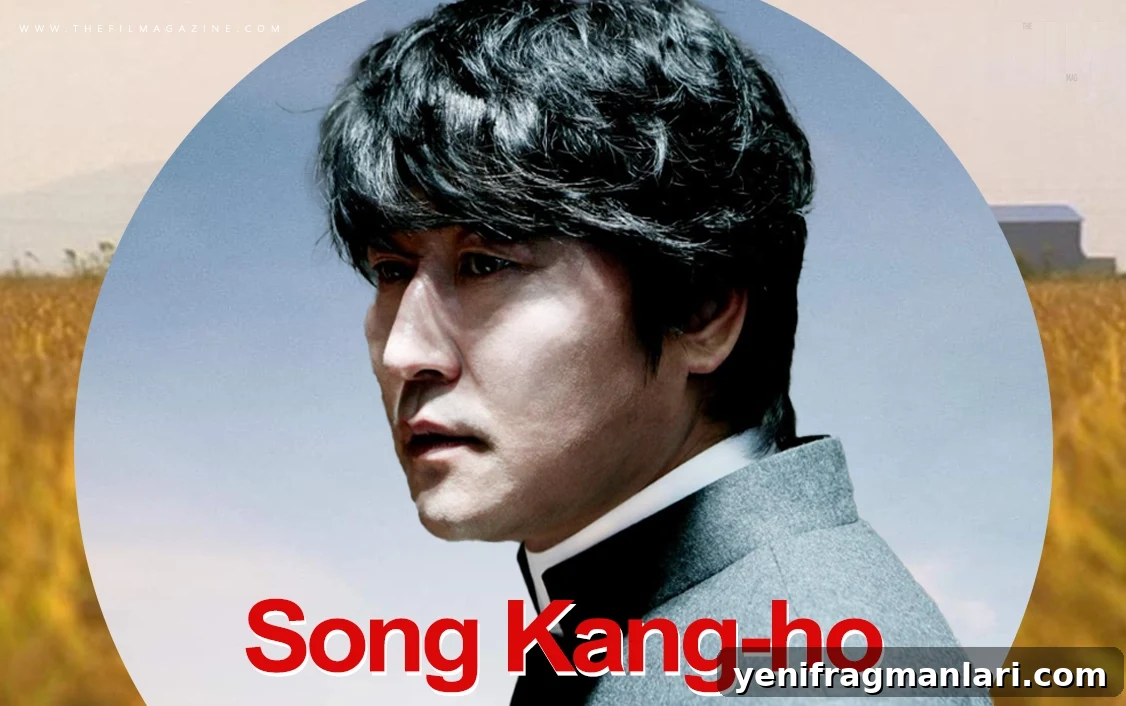
A frequent collaborator with internationally renowned filmmakers such as Park Chan-wook (The Vengeance Trilogy), Bong Joon-ho (Parasite) and Kim Jee-woon (A Tale of Two Sisters), Song Kang-ho has earned his place as one of South Korea’s most in-demand character actors. His career spans decades and a remarkable range of roles, making him a defining presence in contemporary Korean cinema.
Born in Gimhae in 1967, Song did not receive formal acting training early on, largely because professional opportunities in the arts were limited outside Korea’s major urban centers. He discovered acting after joining theatre groups following school and completing his mandatory military service. That grassroots beginning shaped a practical, scene-driven approach to his craft.
Song’s breakthrough came in the late 1990s with memorable performances in Kim Jee-woon’s dark comedy The Quiet Family (1998) and the high-profile blockbuster Shiri (1999). From there his career accelerated, delivering standout work in a wide variety of genres—from the tense DMZ thriller Joint Security Area to the espionage drama Age of Shadows. While he is fully convincing in straight dramatic roles, Song often makes his greatest impact when he blends comedy and pathos. With a wide smile, impeccable timing and a natural sense of humility, he can be both comic and heartbreaking without ever feeling forced.
Song frequently plays outsiders and underdogs: a socially awkward family man in The Host, a blundering outlaw in The Good, The Bad, The Weird, or an underestimated genius in Snowpiercer. Whatever the role, his characters are grounded, relatable and richly layered—earnest people whose small gestures and micro-expressions reveal deep emotional truth. Choosing only a few roles to represent his near-three-decade career is difficult, but the following selection highlights three performances that define Song Kang-ho’s extraordinary range.
Follow @thefilmagazine on X (Twitter).
1. Memories of Murder (2003)
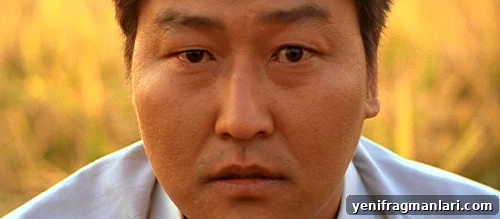
Memories of Murder marks Song’s first collaboration with director Bong Joon-ho and stands among his most celebrated performances. He plays Detective Park, one of three inept police officers desperate to catch a serial killer in rural Korea. Song finds the precise balance between comedic mannerisms and the darkening desperation of a man who increasingly resorts to absurd measures in pursuit of justice.
Detective Park is consistently incompetent—making wrong accusations, believing he can “read” suspects when he cannot—but Song layers the role with humanity and underlying sorrow. Small facial expressions convey regret and profound impotence at the police force’s collective failures to protect victims. His final admission, a quiet “I don’t know,” turns a bumbling comic figure into a tragic, unforgettable character. One of the film’s most haunting images is Park, years later and now working in sales, returning to the crime scene and being told by a child that someone ordinary had already been there. The camera lingers on Song’s face as he silently processes the possibility that the killer could be anyone among millions—a chilling, resonant moment.
2. Thirst (2009)
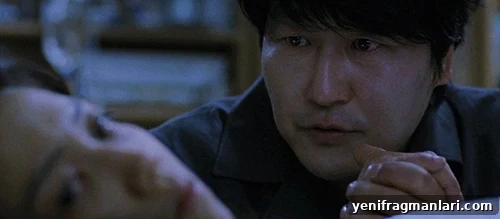
In Park Chan-wook’s inventive horror drama Thirst, Song plays Sang-hyun, a Catholic priest who volunteers for an experimental vaccine trial and is transformed into a vampire. The role forces Song into a physical and moral metamorphosis: Sang-hyun oscillates between saintly restraint and animalistic hunger, struggling with the violent impulses his new nature awakens.
This part is far from Song’s familiar comic persona. Instead, he delivers a nuanced, often still performance that channels spiritual torment and erotic longing. Sang-hyun’s thirst becomes both literal and symbolic—a test of faith, an exploration of suppressed desire, and a moral crisis about violence and redemption. In the film’s tragic arc, Song brings quiet dignity to a character who ultimately chooses self-sacrifice to end the threat posed by both the contagious disease and his lethal companion. The restrained final moments—marked by calm acceptance rather than melodrama—lend the film a bittersweet operatic beauty.
3. Broker (2022)
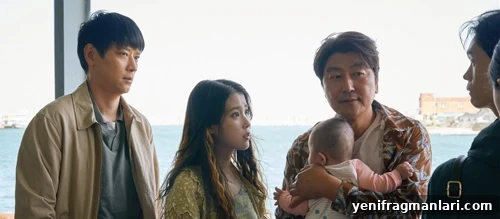
In Broker, directed by Hirokazu Kore-eda, Song plays Sang-hyeon, a laundromat owner who, with a partner, profits from a church’s “baby box” by arranging adoptions through the black market. The premise is morally fraught, but Song turns Sang-hyeon into a deeply sympathetic figure: outwardly cheerful and jokey, inwardly haunted by past mistakes and searching for a form of redemption.
The film explores found family dynamics as Sang-hyeon, an inexperienced young mother and a lingering child form a makeshift group bound more by circumstance than biology. Song’s performance is the emotional center—he plans their next moves, deflects uncomfortable truths with humor, and quietly carries the group’s emotional weight. His warmth and understated vulnerability anchor the film’s moral questions about adoption, responsibility and compassion. For this role he received the Best Actor award at Cannes in 2022, recognition of his ability to humanize a complex, morally ambiguous character with tenderness and humor.
Recommended for you: More Career-Defining Performances Articles
Across these and many other films, Song Kang-ho demonstrates rare versatility. He moves effortlessly between comedy and tragedy, physicality and stillness, grotesque and tender. Whether in large international productions like Snowpiercer or in intimate Korean dramas, he remains an actor directors seek when they need a performer who can both steal scenes and sustain the emotional core of a story. As his collaborations with top directors continue, Song’s body of work will likely keep expanding—and with it, the recognition of one of modern cinema’s most compelling actors.