
Tár (2022)
Director: Todd Field
Screenwriter: Todd Field
Starring: Cate Blanchett, Noémie Merlant, Nina Hoss, Sophie Kauer, Mark Strong
Todd Field’s long-awaited return with Tár (2022) feels distinctly European in tone: a measured, observational drama that favors psychological depth over spectacle. After a sixteen-year break from directing, Field delivers a precise, deliberate film that examines art, fame, and public reckoning with uncommon subtlety. Rather than offering a simple moral verdict, Tár probes the structures and personalities that allow powerful figures to thrive—and to sometimes fall.
At the center of the film is Lydia Tár, a world-famous conductor and composer who has become the first woman to lead a major German orchestra. Field asks the audience to sit with a difficult character: brilliant, arrogant, and accustomed to absolute control. Tár’s confidence and talent are undeniable, but those same qualities mask blind spots and self-deceptions. Field avoids turning her into a cartoon villain; instead he stages a careful study of how charisma, ambition, and institutional support can combine to make someone seemingly untouchable until the moment they are not.
The film’s approach feels clinical and compassionate at once. Field doesn’t rush to indict or exonerate; he assembles interactions and patterns, letting viewers draw conclusions from the evidence presented. In doing so, Tár becomes less a sensationalist takedown and more an inquiry into the mechanics behind public disgrace: how reputations are built, how networks protect power, and how cultural context shapes which transgressions are exposed and which are overlooked. The central question the film poses is simple but provocative: why do we choose to cancel some people and not others?
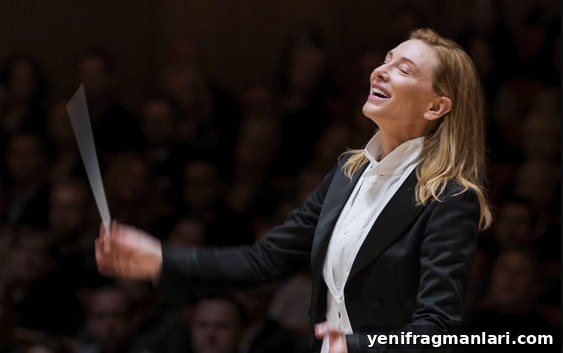
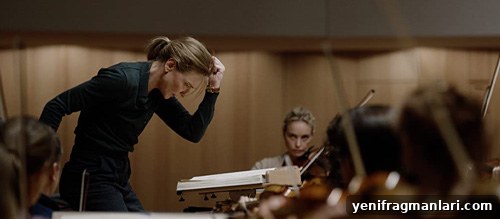
Cate Blanchett’s performance is the film’s beating heart. She disappears into Lydia Tár, altering her posture, cadence, and breath to create a presence that is at once magnetic and unsettling. Blanchett’s work resists easy categorization: she is capable of generating deep sympathy even as she reveals the character’s cruelty and entitlement. The performance is meticulously controlled; in many scenes Blanchett conducts not only the orchestra but the emotional tone of the room, guiding the viewer’s response with small, precise gestures. The role is a showcase of craft, and the commitment to authenticity—Blanchett is credited with conducting and performing much of the music herself—adds a vital layer of credibility to the portrait.
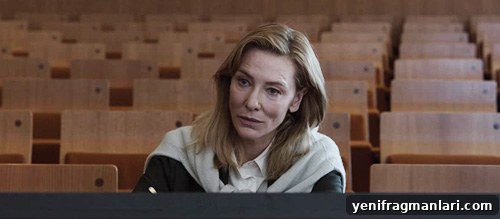
Field frames the film as an intimate character study. Long takes and extended dialogues allow scenes to breathe, giving actors the room to reveal complexity gradually. The supporting cast, including Noémie Merlant as an increasingly strained assistant, enhances this realism: relationships unfold through small moments of tension, resentment, and obligation rather than through expository monologue. These choices produce a feeling of watching events from inside a world where norms, favors, and art-world hierarchies quietly govern behavior.
Tár is deliberately uncomfortable at times. By asking the audience to identify with a towering, flawed artist, the film complicates the easy moral binaries that often dominate discussions about public misconduct. It insists that art and artist cannot be cleanly separated, and that our responses to alleged wrongdoing are filtered through taste, status, and cultural value. Field wants viewers to consider whether reassessing an artist’s legacy depends only on evidence of misconduct or also on how much we need or admire their work.
Visually, the film is elegant and measured. Cinematography captures both the grandeur of international concert halls and the quieter, more intimate spaces of rehearsals and interviews. The photography gives the film a restrained beauty, matching its tonal control and supporting the central performance without ever overwhelming it. Field’s pacing and the film’s design work together to produce an experience that is engrossing rather than sensational.
As a meditation on accountability, reputation, and the cultural systems that elevate certain figures, Tár succeeds on multiple levels. It is a thought-provoking, emotionally precise film anchored by a career-defining turn from Blanchett. Rather than offering a neat resolution, it leaves questions open: what do we owe artists, what do they owe us, and how should a society balance admiration with scrutiny? Those unanswered questions are part of the film’s power.
Score: 20/24