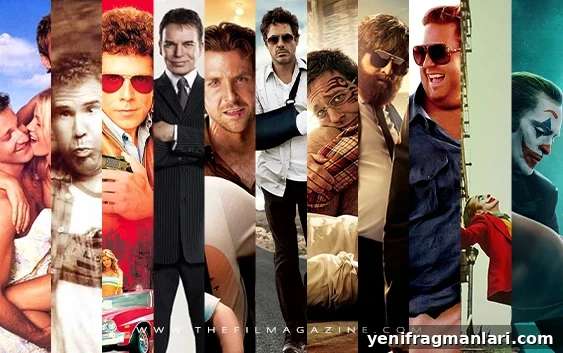
Known for hits like The Hangover and Joker, Brooklyn-born writer-director Todd Phillips began his career as a documentary filmmaker. In the late 1990s he rose through the independent circuit with documentaries about notable and tragic musicians. His transition to mainstream film came after director Ivan Reitman discovered him at Sundance and helped secure studio backing from DreamWorks—Reitman served as executive producer on Phillips’ early studio comedies Road Trip and Old School.
With the financial and promotional support of DreamWorks—founded by Steven Spielberg, Jeffrey Katzenberg and David Geffen—Phillips shifted away from earnest documentaries and embraced broad comedy. He built a reputation as a director who could deliver crowd-pleasing comedy while stretching into darker, more complex territory. After his DreamWorks films, he moved to Warner Bros., where he directed seven of his next eight features, including the blockbuster comedy The Hangover and the polarizing drama Joker.
Phillips has made a name for himself as an economical and opportunity-driven filmmaker: he often finds ways to tell focused stories in limited locations and on modest budgets, yet still crafts compelling cinematic experiences. His work frequently mines humor from dark or uncomfortable situations, making him a divisive figure—his films are routinely both celebrated and criticized, but they consistently make cultural and box-office impact.
In this Ranked feature, we evaluate each of Todd Phillips’ eleven theatrical feature films, assessing artistic achievement, cultural relevance, critical response and overall entertainment value in: Todd Phillips Movies Ranked.
11. School for Scoundrels (2006)

MGM’s remake of the 1960 British comedy felt like a misstep. Despite Phillips coming off early successes with Road Trip, Old School and Starsky & Hutch, this version of School for Scoundrels relied on unpleasant protagonists and awkward tonal choices. The screenplay centers on a whiny parking attendant (Jon Heder) and a manipulative self-help guru (Billy Bob Thornton), but it never earns the audience’s sympathy or laughs. The cast is full of recognizable comedic talent—Sarah Silverman, David Cross, Dan Fogler, Matt Walsh, Aziz Ansari and Jim Parsons among them—but the film’s tone and character choices leave it feeling uninspired and unfunny.
10. The Hangover Part III (2013)
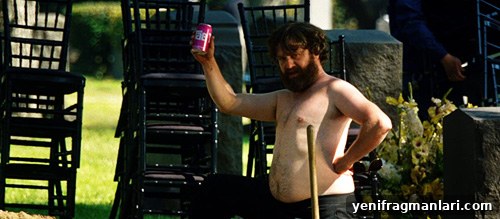
The final installment of the Hangover trilogy departs from the inventive “piece-it-together” formula of the first two films in favor of a straight-up action chase. The characters—Bradley Cooper, Ed Helms and Zach Galifianakis—are pressed into a revenge-and-rescue plot that introduces John Goodman’s Marshall and returns Mr. Chow (Ken Jeong). The sequel’s tone and humor often feel forced or mismatched with the franchise’s original rules. Visually and technically, it can look patchy—choppy editing and uneven production choices undercut the comedy. While there are fleeting emotional moments and callbacks to earlier films, overall the third film feels tired and overlong.
Todd Phillips cameo: briefly seen in a hotel penthouse scene.
9. War Dogs (2016)
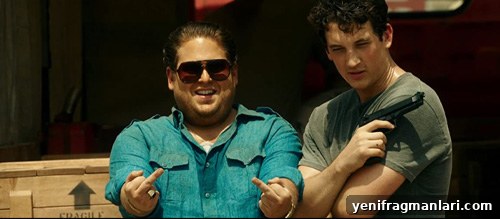
With a script based on true events, War Dogs promised dark satire about international arms dealing but landed between tones: neither biting enough to be sharp political satire nor entertaining enough to be a satisfying comedy for mainstream viewers. Jonah Hill and Miles Teller make an odd pairing—Hill’s energetic presence is stronger, while Teller sometimes feels restrained—leaving the film tonally uncertain. Phillips’ documentary background helps shape the gritty, sometimes grounded style, but the film ultimately struggles to find a clear point of view.
8. Joker: Folie à Deux (2024)

The long-awaited follow-up to 2019’s Joker arrived with a vastly larger budget but divided audiences. Joker: Folie à Deux narrows its focus on Arthur Fleck’s psyche and leans into courtroom and prison settings, punctuated by musical interludes that surprised viewers expecting a straightforward dramatic sequel. The film’s scale and creative choices didn’t always translate into a more powerful piece; many critics found it slower and less focused than its predecessor. As a companion to the original Joker, it disappoints some viewers, though it still delivers committed performances and ambitious staging.
7. Road Trip (2000)

Todd Phillips’ feature debut in mainstream comedy captures the late-90s and early-2000s college-comedy spirit while offering stronger character moments than many peers. Road Trip balances crude humor with genuine romantic and comedic beats, and the ensemble cast gives it an energetic, time-capsule quality. While it’s not a paragon of taste, it shows Phillips refining his craft—cleaner pacing, a clear visual approach and a knack for turning broad concepts into watchable, memorable scenes.
Todd Phillips cameo: plays a creepy bus passenger in one scene.
6. The Hangover Part II (2011)
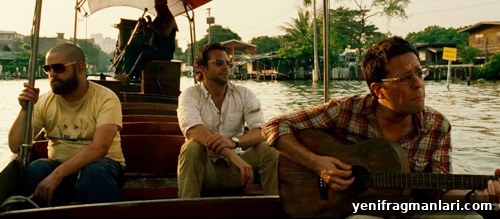
The Hangover Part II repeats the original’s structure—waking up with no memory, clues to piece together the night—while expanding the scale and setting to Bangkok. Though it borrows heavily from the first film, Phillips shows improved pacing and confidence; the sequel feels bolder and more polished in its production, even if it leans on familiar beats and riskier gags. For fans of the franchise’s formula, it delivers a bigger, faster ride.
5. Starsky & Hutch (2004)

This 2004 adaptation of the classic TV series pairs Ben Stiller and Owen Wilson in a playful, affectionate take on the buddy-cop genre. Phillips’ approach honors the original while injecting contemporary comedy sensibilities. The cast includes familiar collaborators from his earlier films and the result is a light, enjoyable comedy—sometimes modest in scope, but effective and polished in its execution.
4. Due Date (2010)
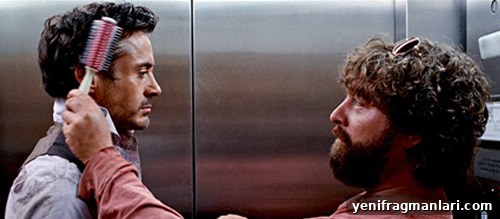
Due Date reunites Phillips with Zach Galifianakis and pairs him with Robert Downey Jr. in a road-movie odd-couple dynamic. The film trades in outrageous situations and cringe comedy but benefits from strong performances and a believable emotional core. It recalls Phillips’ earlier road comedies while leaning into the chemistry between its leads, delivering both laughs and heart despite occasional lapses into cheap-joke territory.
Todd Phillips cameo: briefly appears as a protective, intrusive boyfriend in one sequence.
3. Old School (2003)
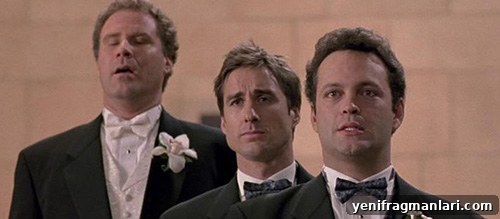
Old School captures a group of thirty-somethings seeking a last taste of college freedom by starting a fraternity. The film blends broad comedy with a surprising amount of warmth and pacing that keeps the jokes landing. Will Ferrell’s early standout performance and strong ensemble work make this one of Phillips’ most enduring comedies. Its mix of nostalgia, satire and familiar archetypes marks it as both of its moment and unexpectedly lasting.
2. The Hangover (2009)
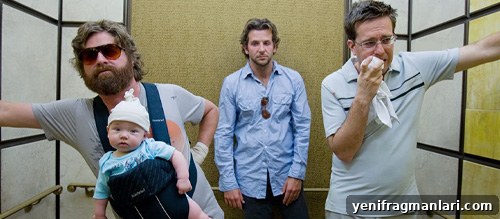
The Hangover is a landmark comedy: fast, quotable and structurally inventive. Phillips combined cinematic visual style with an ensemble-driven script that turned a simple idea—reconstructing a lost night in Las Vegas—into a cultural phenomenon. The film balances raunchy humor with sharply timed surprises and memorable character moments, becoming one of the most influential original comedies of its era and securing Phillips’ reputation as a top comedy director.
Todd Phillips cameo: appears briefly in the hotel elevator scene.
1. Joker (2019)
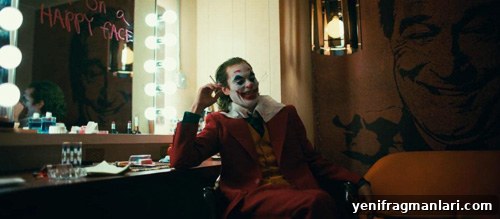
Joker represents the high point of Phillips’ career in terms of cultural impact and ambition. Adapting a famous comic-book villain into a standalone, character-driven drama, Phillips crafted a film that polarized audiences while becoming a defining conversation piece. Joaquin Phoenix’s performance anchors a tightly focused, grim portrait of alienation and rage that tapped into contemporary anxieties. While the film’s politics and implications were widely debated, its storytelling economy, visual control and singular lead performance made it unforgettable—and a global box-office success.
Joker may not be flawless, but it stands as Phillips’ most significant and ambitious film—a daring genre reinvention that expanded expectations about what a comic-book movie could be.
Do you agree with this ranking? Share your thoughts on Todd Phillips’ films and which of his movies you consider most essential.