

Where to begin with David Cronenberg? It’s a difficult question because Cronenberg’s films occupy their own singular territory. A Cannes Jury Prize winner and one of cinema’s most distinctive auteurs, he consistently delivers unsettling, unforgettable journeys into surreal, often grotesque landscapes. Each film is its own uncompromising statement, blending psychological depth, body transformation, and a dark sense of wonder.
Cronenberg grew up in a creative household—his mother a musician and his father a writer and editor—which helped nurture an early fascination with provocative art. As a child he was captivated by films like Un Chien Andalou, Vampyr, and Performance and by the intense storytelling of mid-century horror comics. Those early influences fermented into a lifelong ambition to make films that challenge and disturb.
At university Cronenberg began exploring cinema more seriously, producing short 16mm films such as Transfer (1966) and From the Drain (1966). Even in these grainy early works his interest in bodily experience, psychological fracture, and uncanny realism was clear. Those shorts set the tone for a career defined by an uncompromising visual and thematic boldness.
By committing to filmmaking full time he carved out a space for experimental and transgressive stories. His third feature, Shivers (1975), established the body-horror vocabulary that would come to define much of his work and led to further genre-defining films such as Rabid (1975), The Brood (1979), and Scanners (1981). Across the late 1970s and early 1980s Cronenberg’s idiosyncratic vision helped reshape horror and genre cinema, making room for ideas that were previously considered too strange for mainstream audiences.
Cronenberg’s influence goes beyond shock value. He taught filmmakers and film lovers to embrace the unconventional and to trust difficult ideas. His name has even become shorthand for a particular strain of twisted, corporeal horror. Below are three essential Cronenberg films to start with, each highlighting a different phase of his career and different facets of his artistic concerns.
Read more guides on prominent filmmakers.
1. The Fly (1986)

The Fly is often cited as the clearest example of “Cronenbergian” horror: a film that fuses absurdity and tragedy into a visceral, affecting experience. Jeff Goldblum plays Seth, a scientist whose experiment goes catastrophically wrong, triggering a horrific transformation into a fly-like creature. The premise—human tampering with unknown technology—could be straightforward, but Cronenberg transforms it into a harrowing study of identity, decay, and loss.
What makes The Fly unforgettable is its unflinching use of practical effects and its commitment to feeling. Cronenberg collaborated with effects artists to create disturbing, tactile prosthetics and puppetry that render Seth’s metamorphosis viscerally real. The film balances grotesque imagery with genuine emotional stakes—Seth’s dehumanization is not only physical but profoundly tragic—making The Fly both horrifying and heartbreakingly human.
2. Crash (1996)
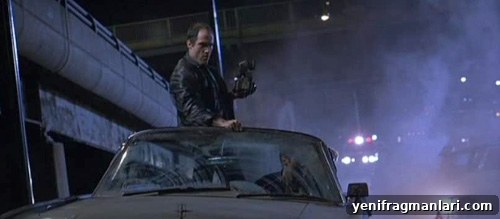
Cronenberg has never shied away from controversial subject matter, and Crash is perhaps his most provocative film. It examines a subculture of people who derive erotic stimulation from car crashes, centering on a film producer who, after surviving a near-fatal accident, becomes entangled with a secretive community obsessed with danger and spectacle.
Crash is deliberately confrontational. It forces viewers into the role of voyeur, asking uncomfortable questions about desire, media, and the allure of taboo. The film’s stark, clinical style underlines its themes: bodies and machines intersect, and pleasure is reframed as an exploration of risk and mortality. Crash provoked strong reactions on release and remains a powerful example of Cronenberg’s ability to provoke and unsettle while probing modern anxieties.
3. Crimes of the Future (2022)
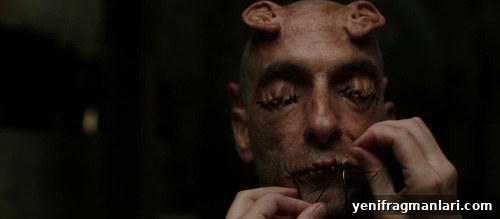
Spread across five decades, Cronenberg’s career constantly evolves while maintaining core preoccupations. Crimes of the Future revisits themes from his early work—body modification, pain, and the role of art in a changing humanity—while engaging contemporary concerns about technology and spectacle. The film imagines a near future where live surgical performances are treated as art, and where bodies have changed in ways that call cultural and ethical assumptions into question.
With a cast that brings gravitas to its unsettling premise, Crimes of the Future explores how pain, transformation, and artistic exhibition intersect. Cronenberg frames visceral images within a contemplative narrative that asks what it means to be human when sensation, empathy, and bodily integrity are in flux. The result is disturbing and unexpectedly meditative: a film that insists on the aesthetic power of discomfort.
Recommended for you: Where to Start with David Lynch
Cronenberg’s cinema can feel harsh, cruel, and demanding, yet these qualities are precisely what give his films lasting impact. He confronts audiences with images and ideas they might otherwise avoid, treating fear and revulsion as starting points for reflection. Whether you begin with The Fly, Crash, or Crimes of the Future, you’ll encounter a filmmaker who treats cinema as a space for radical, unsettling inquiry—work that remains unforgettable long after the credits roll.