
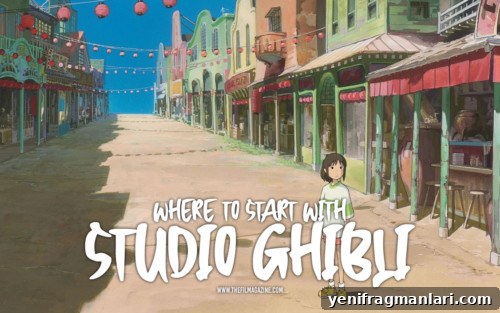
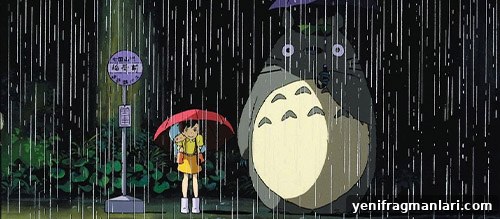
If you want to explore Japanese feature animation, Studio Ghibli is one of the best places to begin. The studio’s films — largely the work of directors Hayao Miyazaki and Isao Takahata — combine beautiful hand-drawn animation, memorable characters, and themes that resonate with audiences of all ages. With nearly all of the studio’s major films available on streaming services in many regions, it’s easier than ever to start watching. But with 21 feature films produced over roughly three decades, deciding where to start can feel overwhelming. This guide highlights a few essential Ghibli films and explains why each is a great introduction to the studio’s range and artistry.
Quick facts about Studio Ghibli: it was founded in 1985 by Hayao Miyazaki and Isao Takahata together with producer Toshio Suzuki. The studio’s name is pronounced with a soft “g,” like the word “ginger.” Totoro, the friendly, rotund forest spirit, appears on the studio’s logo and has become a global icon. While numerous directors have contributed to the studio’s catalog, Miyazaki and Takahata are responsible for many of the most acclaimed works — Miyazaki directing nine feature films and Takahata directing five. Ghibli animators have also worked on related media projects such as the Ni no Kuni video game series, and the studio’s cultural impact led to the opening of the Ghibli Museum in Tokyo in 2001.
Before Studio Ghibli’s films received high-profile English-language re-releases in the late 1990s and beyond, the studio was mainly known among dedicated anime fans outside Japan. Re-dubbing and international distribution efforts — while sometimes controversial — helped introduce Ghibli to a much wider audience. The studio has consistently insisted its films remain intact and uncut for reissues, preserving the original storytelling and artistic intent. Over time Ghibli films have reached broader global audiences while retaining their distinctive voice and themes.
Although Spirited Away often serves as many viewers’ first Ghibli experience — and its awards and acclaim certainly helped raise the studio’s profile internationally — it can be rewarding to explore earlier works first to gain a sense of the studio’s evolving style and recurring themes. Ghibli’s catalog includes lighthearted fantasy, serious adult drama, and epic environmental allegories, so there are films to suit many tastes. Below are three recommended entry points, each showcasing a different side of the studio.
1. My Neighbor Totoro (1988)
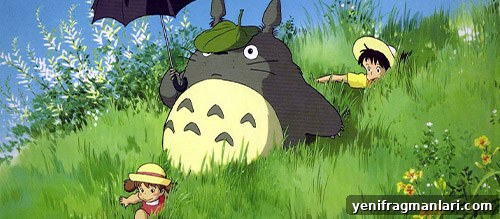
My Neighbor Totoro is perhaps the purest expression of Studio Ghibli’s gentle, child-centered fantasy. Written and directed by Hayao Miyazaki, the film follows two young sisters who move to the countryside while their mother is in the hospital. The younger sister discovers a doorway into a magical world and meets Totoro, a large, sleepy forest spirit who becomes their friend. The story unfolds as a series of small, luminous adventures — from nighttime journeys to playful encounters with woodland creatures and the unforgettable Catbus.
Visually warm, emotionally honest, and free of heavy drama, My Neighbor Totoro captures the wonder of childhood and the solace nature can offer during uncertain times. It’s an excellent first Ghibli film for younger viewers and anyone seeking a tender, comforting animated experience.
2. Princess Mononoke (1997)
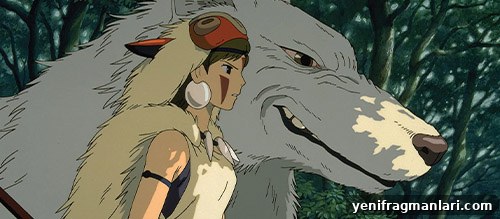
Princess Mononoke introduces viewers to the more ambitious and politically charged side of Miyazaki’s work. While still filled with imaginative creatures and striking visuals, this film is darker and more complex than some of the studio’s other titles. At its heart it explores the conflict between industrial progress and the natural world, and it asks difficult questions about violence, responsibility, and coexistence.
The plot centers on a young warrior who becomes entangled in a violent struggle between an industrial town led by a determined leader and a fierce warrior princess who defends the forest and its guardian spirits. The film’s intense action, moral ambiguity, and vivid worldbuilding make it a compelling watch for teens and adults. Parents should note that Princess Mononoke contains scenes of battle-related injury and blood, so it’s best suited to older children and mature audiences.
3. Only Yesterday (1991)
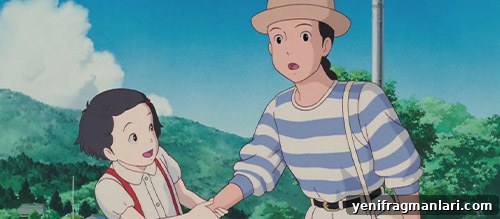
For a quieter, more realistic film that demonstrates Studio Ghibli’s range beyond fantasy, Isao Takahata’s Only Yesterday is an excellent choice. Takahata often favors grounded, domestic stories that explore family dynamics and everyday life, occasionally punctuated by subtle, dreamlike flourishes. This film follows a woman who takes a trip to the countryside and reflects on her childhood memories, confronting personal choices and the passage of time.
Only Yesterday is animated with sensitivity and aims its storytelling at adult viewers, offering an introspective look at memory, regret, and the small joys of ordinary life. It’s a good introduction to Takahata’s approach and a reminder that animation can be a powerful medium for exploring mature themes.
Recommended for you: 10 Best Studio Ghibli Films