Zack Snyder’s Justice League (2021)
Director: Zack Snyder
Screenwriters: Chris Terrio, Zack Snyder, Will Beall
Starring: Henry Cavill, Ben Affleck, Gal Gadot, Ray Fisher, Ezra Miller, Jason Momoa, Ciarán Hinds, Amy Adams, Amber Heard, Connie Nielsen, Robin Wright, Diane Lane, J.K. Simmons, Jeremy Irons, Jared Leto
When Warner Bros. released its 2017 version of Justice League, it quickly became a high-profile misstep. That film, assembled from competing creative visions after a tragic production interruption, failed to match the tone and scope audiences expected from the franchise. Critics and fans criticized inconsistent visuals, a score that felt out of sync with the material, and a tonal shift that left the finished movie scattered and unsatisfying. Despite grossing roughly $657.9 million worldwide, the movie’s reception and the production turmoil left a lasting mark on the studio and its cinematic universe.
The controversy surrounding the project intensified a passionate fan movement demanding to see director Zack Snyder’s original concept. Campaigns and calls to “Release the Snyder Cut” gained momentum, helped by cast members and a vocal online community. Warner Bros. responded by greenlighting a new version for their streaming platform, and in 2021 Zack Snyder’s Justice League arrived — not merely as a director’s cut, but as a substantially different film that recontextualizes the story and characters.
Reworked with additional photography, extensive visual work and careful restructuring — reportedly costing around $70 million for reshoots and post-production — this four-hour edition is presented as a complete, coherent film. It reclaims Snyder’s darker, mythic approach and gives the ensemble the time needed to breathe. Where the 2017 release often felt fragmented and hurried, the 2021 version deliberately explains motivations, connects story beats and deepens emotional stakes, transforming many scenes into clearer, more meaningful sequences.
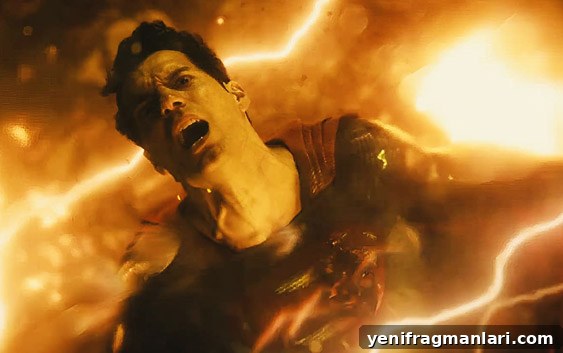
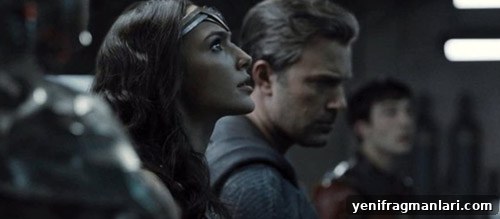
One of the most notable improvements is the fuller characterization across the team. The film restores Batman’s methodical strategy and leadership, moving away from the caricatured tone that diminished him in the earlier cut. Wonder Woman and Aquaman receive more substantial arcs, each with moments that emphasize their distinct abilities and personalities. Superman’s return is handled as a thematic cornerstone: his presence becomes a measure of hope in a darker world, with weight given to what the character represents rather than immediate spectacle.
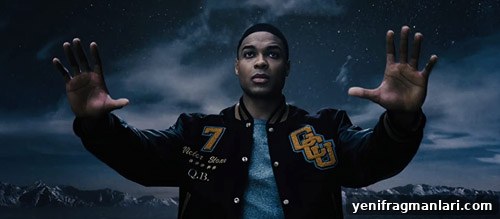
Barry Allen, the Flash, shifts from comic relief to a sincere coming-of-age figure. His nervous energy is still present, but it’s paired with heroic choices that earn him a central role in the narrative. The most dramatic transformation belongs to Victor Stone, Cyborg. Previously underused, Cyborg gains a full, heartfelt arc that anchors much of the film’s emotional core. His journey from isolated outcast to essential team member is treated as a key element of the story rather than a plot convenience, providing one of the movie’s strongest and most affecting threads.
Snyder’s visual approach is evident throughout: he adopts a distinctive 1.33:1 aspect ratio and a textured, film-like grain that gives faces and environments a tactile quality. The color palette and lighting feel more considered, and several poorly received visual choices from the 2017 version were corrected or entirely rebuilt. Central antagonist designs and key action moments were reworked to avoid comparisons to low-quality effects and to better match the cinematic tone Snyder intended.
Despite being known for kinetic, stylized action, Snyder here places a surprising emphasis on rhythm and pacing. His background in music videos and commercials surfaces in how beats are timed and how sequences build. The extended runtime allows quieter, connective moments to sit alongside big set pieces, creating an underlying momentum that keeps the picture moving even when it pauses for character development. While the film’s length will test some viewers, its structure makes it easy to consume in parts — and those willing to invest will find emotional payoffs and narrative clarity that were missing before.
Musically, the film benefits from Snyder’s collaboration with composer Junkie XL, whose score replaces the earlier version’s soundtrack and better supports the film’s tone. The score gives thematic weight to individual heroes, offering musical cues that elevate key moments and help distinguish the team’s members in ways the previous release did not.
It’s important to acknowledge that Zack Snyder’s Justice League will remain divisive. Opinions about Snyder’s stylistic tendencies and the unusual circumstances behind this release will color many viewers’ reactions. Yet, putting context aside, the film represents a substantial creative overhaul: scenes are reordered, characters are restored and developed, and the movie as a whole presents a clearer, more consistent vision. For fans of Snyder’s earlier work and supporters of the DC Extended Universe, this edition feels like a long-overdue correction.
The movie still serves a portion of fan service, offers several character cameos and definitely reflects Snyder’s distinct creative voice, for better and sometimes for worse. It may not match the lighter, faster rhythm typical of many contemporary superhero blockbusters, but it does deliver a grand, mythic take on an iconic team. For viewers seeking a more deliberate, character-driven spectacle, this version of Justice League fills a gap that the broader superhero landscape has left open.
In short, Zack Snyder’s Justice League is not simply an extended cut; it’s a retelling that corrects many of the original’s missteps and allows its characters to matter in ways they didn’t before. It won’t convert every critic, and its length and stylistic flourishes will divide audiences, but taken on its own terms it is a considerable improvement over the earlier release and the strongest entry in Snyder’s DCEU trilogy.
15/24