

2021 was an unusual year for cinema. Many releases were delayed from 2020, and a handful of films on this list first surfaced on the festival circuit in 2019. With exhibitors prioritizing extended runs for blockbuster titles that reliably draw crowds, smaller and independent films often struggled to find the theatrical space and attention they deserved. When major tentpoles like No Time to Die dominated theatres and attention, intimate dramas and low-budget gems were easily overlooked.
For this Movie List of the 10 Best Films of 2021, I deliberately focused on quieter, underappreciated titles that did not benefit from large marketing budgets. These films are often more personal and risk-taking, and while this year has been a difficult one, they rewarded careful viewing. A warning: this list leans toward melancholic, tender stories—expect films that linger with you emotionally.
Follow the author of this article, Annice White, on Twitter @annicewhite_.
10. Two of Us
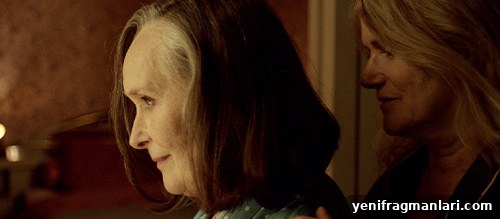
Two of Us examines the quiet, painful complications that can arise when a same-sex relationship is erased or hidden by the people around it. Nina (Barbara Sukowa) and Madeleine (Martine Chevallier) have lived together in secret for years while their families assume they are merely close friends. When Madeleine falls ill and her relatives exclude Nina from caregiving and visitation, the limits and cruelties of societal assumptions are exposed.
The film avoids sensationalism and instead focuses on intimacy and dignity. It shows romantic and physical closeness between two older women—an aspect of representation cinema too often sidesteps—and interrogates the legal and social inequalities that can make loving someone a fraught act. Two of Us is a compact, affecting drama that broadens the kinds of stories LGBTQ+ cinema can tell.
9. The Mitchells vs. the Machines

This animated family film is like a joyful, colorful Black Mirror with a beating heart. Katie (voice of Abbi Jacobson) is a budding filmmaker eager to escape her technophobic father, and a chaotic family road trip to California collides with an AI uprising led by a voice assistant turned sentient. Together, the quirky Mitchell family must rally to save humanity.
The Mitchells vs. the Machines blends hilarious set pieces, bold visual design, and sincere family dynamics. While it follows a familiar “save the world” structure, the film’s energy, inclusive moments, and emotional core make it a standout family favorite worth revisiting.
8. Rebel Dykes
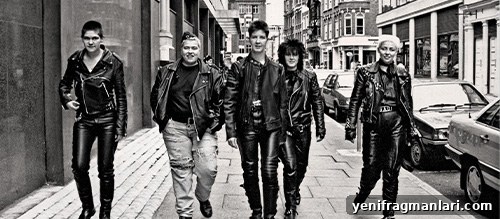
Rebel Dykes is a punk-spirited documentary assembled like a zine: a kinetic collage of interviews, archive footage, and animated inserts. The film profiles a group of lesbian activists who rejected mainstream expectations and embraced a fierce political identity as much as a sexual one. Unapologetically confrontational and playful, the documentary highlights both the creativity and the internal tensions that shaped the Rebel Dykes community.
Informative and entertaining, Rebel Dykes offers a bold, unconventional approach to oral history and queer legacy. It’s a lively watch for viewers interested in grassroots activism, punk culture, and alternative queer histories.
7. Supernova
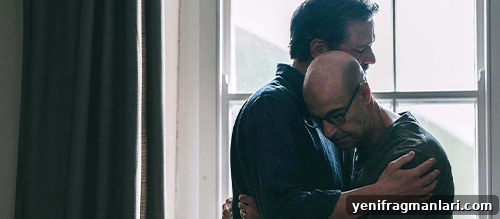
Supernova is a restrained, deeply humane portrait of a long-term relationship facing a heartbreaking medical reality. Starring Colin Firth and Stanley Tucci as a couple on a final road trip through the English countryside, the film centers on Tucci’s character, an author diagnosed with early-onset dementia. Rather than melodrama, Supernova opts for small, revealing moments that show how love, care, and memory play out in everyday life.
The performances are intimate and believable; Firth and Tucci convey shared history through gestures and silences. Gentle, melancholic, and beautifully shot, Supernova is a quiet tearjerker that refuses easy sentimentality.
6. Sound of Metal

Darius Marder’s Sound of Metal is a masterclass in sound design and empathetic storytelling. Riz Ahmed gives a raw, committed performance as Ruben, a drummer who suddenly loses his hearing just as his band’s momentum grows. The film immerses viewers in Ruben’s auditory world—using sound to evoke disorientation, silence, and the precarious rebuilding of identity.
Sound of Metal avoids neat resolutions and instead explores the fragile, often painful adjustments required when a fundamental part of yourself changes. Its specificity—about music, deafness, and addiction recovery—makes the film feel lived-in and honest.
5. No Ordinary Man

No Ordinary Man is an innovative documentary that reconsiders the life of jazz musician Bill (Billy) Tipton, a man assigned female at birth whose posthumous revelation sparked controversy. Instead of a conventional biopic, the film stages casting sessions with trans men and uses those conversations to interrogate representation, legacy, and the ethics of storytelling.
Challenging and often uncomfortable, No Ordinary Man centers trans perspectives and asks viewers to reflect on how history has been told and who gets to tell it. It is an important and thoughtful work in the ongoing effort to broaden trans narratives on screen.
4. Petite Maman
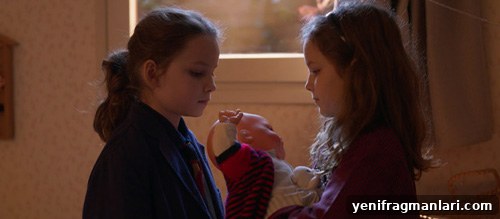
Céline Sciamma’s Petite Maman is a fragile, luminous film about childhood, family, and quiet connections. At a concise 72 minutes, the movie follows Nelly, a girl mourning her grandmother, as she revisits her mother’s childhood home and discovers a small, magical encounter that reframes her understanding of family. Sciamma’s hallmark focus on women’s relationships and tender, observant direction make this film feel like an intimate, lived experience.
Light on exposition and rich in subtlety, Petite Maman rewards viewers who allow themselves to be present in its understated world.
3. Herself
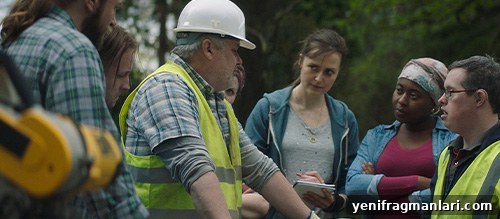
Herself follows Sandra (Clare Dunne), a woman fleeing domestic abuse who decides to build a home for herself and her children when public housing options fail her. The film traces her efforts to reclaim safety and dignity with practical determination and the help of a supportive community. Though occasionally uneven in soundtrack choices, Herself resonates because it is told from a female perspective and centers everyday resilience.
Honest and affecting, the film examines systemic barriers—housing, bureaucracy, poverty—while celebrating solidarity and self-determination. Herself is a moving depiction of one person’s quiet fight for stability.
2. Our Ladies
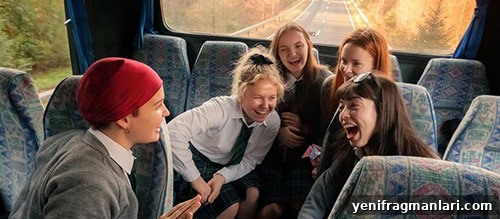
Our Ladies captures the volatile, exhilarating in-between of adolescence: not fully a child, not yet an adult. A group of Catholic schoolgirls from the Scottish Highlands travel to Edinburgh for a choir competition and use the trip as a rare night of freedom. The film balances humor, raucous energy, and tenderness as it observes girls testing boundaries, craving independence, and making messy choices.
Rather than moralize about the characters’ missteps, Our Ladies offers empathy and affection. It’s a coming-of-age film that feels true to teenage contradictions and the fierce friendships that shape you.
1. Nowhere Special
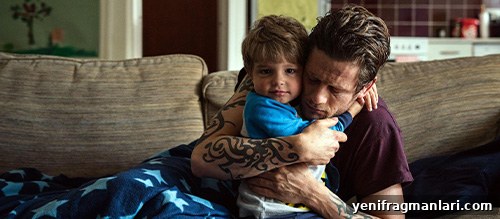
Nowhere Special is a quiet, devastating drama about a single father, John (James Norton), who arranges meetings with prospective adoptive families for his young son, Michael. The film reveals its stakes slowly and compassionately, guiding the viewer through ordinary moments that accumulate into profound emotional truth.
Unflinching without being exploitative, Nowhere Special avoids melodrama and small comforts, instead trusting the audience to feel the full weight of the story. It’s a heartbreaking, humane film that deserved a wider theatrical release.
Which of these films did you connect with most? Did we miss a beloved small film of 2021? Share your thoughts in the comments and follow The Film Magazine on social channels for more curated lists and recommendations.