
The Wizard of Oz (1939)
Director: Victor Fleming
Screenwriters: Noel Langley, Florence Ryerson, Edgar Allan Woolf
Starring: Judy Garland, Frank Morgan, Ray Bolger, Bert Lahr, Jack Haley, Margaret Hamilton
Victor Fleming’s The Wizard of Oz remains one of Hollywood’s most enduring classics. First released in 1939, the film continues to draw audiences with its vivid imagination, memorable performances, and pioneering use of colour. Although cinema had experimented with colour before, this movie’s creative application of Technicolor and its unforgettable storytelling have secured its place in film history.
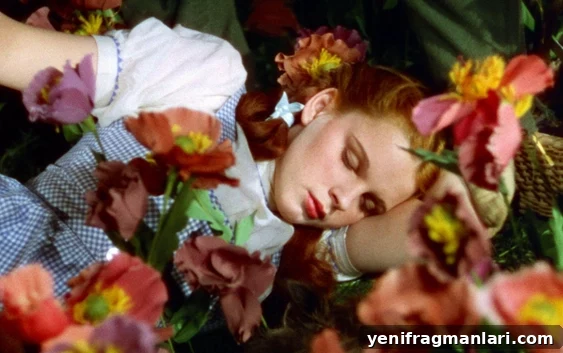
The film opens in a sepia-toned Kansas, where Dorothy Gale (Judy Garland) lives with Uncle Henry and Aunt Em. When Dorothy is threatened by the vindictive Almira Gulch after her dog Toto bites the woman, she flees into a storm. A tornado transports her to the magical land of Oz, a world that explodes into rich colour the moment she arrives. The contrast between the muted palette of Kansas and the vibrant hues of Oz remains one of the film’s most celebrated visual choices.
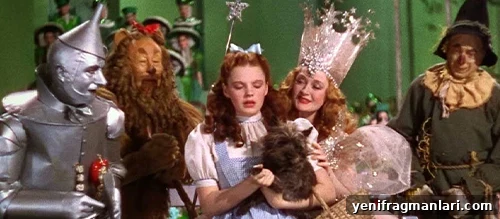
In Munchkinland Dorothy meets Glinda, the Good Witch, who tells her she must seek the Wizard of Oz to find a way home. On the Yellow Brick Road she befriends the Scarecrow (Ray Bolger), who longs for a brain; the Tin Man (Jack Haley), who desires a heart; and the Cowardly Lion (Bert Lahr), who seeks courage. Together they journey toward the Emerald City and face the threat posed by the Wicked Witch of the West (Margaret Hamilton), who covets Dorothy’s ruby slippers—an object of clear symbolic importance, intentionally emphasized through colour.
Technicolor plays a central role in the film’s storytelling. Much of the movie was shot using three-strip Technicolor cameras, which recorded red, green and blue information on separate strips of film. This technology allowed a wider, richer range of colours than earlier processes and helped make Oz feel otherworldly. Colour is woven into the narrative: Kansas is deliberately drab, while Oz is saturated with symbolic hues—silver for the Tin Man, green for the Emerald City and the witch’s domain, and the ruby-red slippers that become the story’s prized object.
Music is another core element that elevates The Wizard of Oz. Songs such as “Over the Rainbow” and “We’re Off to See the Wizard” are not merely entertaining interludes; they reveal character motivations and advance the story. Musical themes are used to identify characters and moments—most notably the menacing motif associated with the Wicked Witch of the West, which heightens tension whenever she appears.
The film’s final look and tone are the result of multiple directorial contributions. Victor Fleming completed the bulk of the production and is widely credited for the sequences that define the film’s Technicolor identity. Earlier, Richard Thorpe and George Cukor had brief involvement, and King Vidor directed the Kansas sequences, including the iconic “Over the Rainbow” scene. Each director’s input contributed to the film’s balance between grounded reality and fantastical colour.
Despite critical acclaim and three Academy Awards from six nominations, the film initially struggled to turn a profit. Its original box office returns were modest compared with its substantial budget, and it only became more profitable and culturally prominent after later re-releases and decades of continued viewership on television and home media.
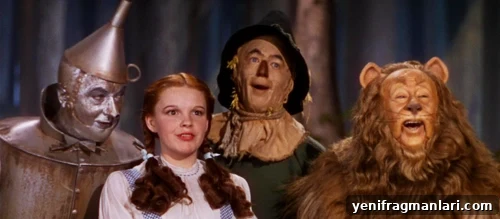
Alongside its artistic achievements, the production of The Wizard of Oz involved troubling practices that reflect the era’s studio system. Judy Garland, only 17 during filming, experienced intense pressure and reported instances of harsh treatment on set. The production also relied on practical effects and materials later known to be hazardous: chrysotile asbestos was used as “snow” in one scene, and early aluminium-based makeup caused health issues for the original Tin Man actor, necessitating a cast change. These facts serve as a reminder of the human cost behind many early cinematic achievements.
Yet the film’s enduring appeal rests in its emotional core and universal themes. Dorothy’s journey—her longing for home, friendship with unlikely companions, and personal growth—resonates across generations. The story’s central message, that “there’s no place like home,” continues to strike a chord with audiences young and old. The film also stands out for its portrayal of strong female characters: both Glinda and the Wicked Witch exercise clear agency, driving key plot developments.
Over eighty years after its release, The Wizard of Oz remains a landmark in cinematic history. Its inventive use of colour and sound, its memorable performances, and its emotional depth ensure its continued relevance. For many viewers, the film functions as both a nostalgic treasure and a timeless work of art that reminds us of imagination’s power to transform and transport.
Score: 24/24
Rating: ⭐⭐⭐⭐⭐ (5 out of 5)
Written by Clotilde Chinnici
You can support Clotilde Chinnici through her portfolio and social channels (search by name: Clotilde Chinnici / @filmswithcloe).